


Why Clean Data Outpaces Complex Algorithms
Raw booking records don’t generate profit until they are stripped of structural noise and aligned into predictable formats. According to global research by McKinsey & Company, hospitality companies that leverage advanced data analytics achieve an increase of 10% to 15% in revenue per available room (RevPAR). However, system integration barriers and unstandardized data streams account for up to 80% of project friction during revenue tech upgrades. When unstandardized reservation notes, HTML formatting snippets, or mismatched currency codes hit an analytics engine, room rates stall or drift out of alignment with market demand.
Modern forecasting engines require pristine input pipelines to evaluate occupancy patterns accurately. By converting unstructured inputs into lean, structured text formats, property management systems feed pricing models with exact metrics – driving consistent RevPAR growth without technical lag.
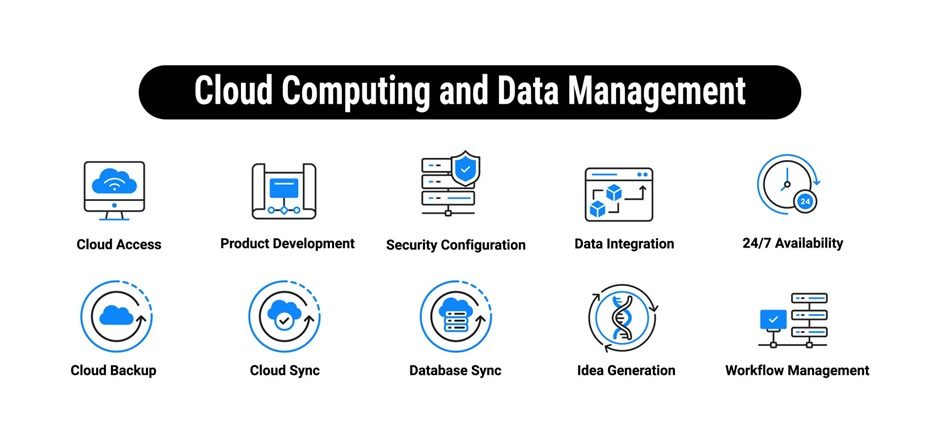
Data management architecture supporting automated revenue systems. Джерело: Abdul Basit Noohani / Getty Images
To bridge legacy property infrastructure with modern rate-shopping tools, leading hoteliers invest heavily in custom software revenue management hotel solutions designed to parse, normalize, and sync multi-source booking data seamlessly.
Core Pillars of Hospitality Data Standardization
Managing rate parity across dozens of Online Travel Agencies (OTAs) manually turns into an operational nightmare overnight. A single improperly formatted tax tag or localized currency symbol can cause distribution channels to reject rate updates entirely. Ugh, right?
Automated standardization eliminates these friction points by establishing continuous data cleaning protocols before information reaches core analytics models. Research published by the Cornell Center for Hospitality Research demonstrates that accurate dynamic forecasting depends directly on data consistency, clean historical pace logs, and real-time competitive scraping integration.
Multi-Source Intake -> Formatting Normalization -> Forecasting Engine -> Unified OTA Sync
Here are three documented industry scenarios demonstrating the power of clean data architecture:
- The Multi-Currency Standardization: European hotel chains handling international reservations across multiple currencies eliminate conversion rounding errors by centralizing payload values into standardized base rate schemas before running yield algorithms.
- API Latency Reduction: Systems parsing raw XML/JSON booking logs into normalized plain-text arrays reduce system-to-system API call latency, helping prevent duplicate bookings during high-demand booking windows.
- Automated Lead Ingestion: Commercial properties receiving high-volume group meeting queries parse unstructured RFP text into structured fields, cutting initial quote turnaround times from days to hours.
Key Elements of Data Pipeline Standardization
- Schema Unification: Mapping disparate OTA parameter names into a single internal naming convention across all distribution channels.
- Text Cleaning: Removing embedded HTML formatting, extra line breaks, and illegal syntax characters from guest reservation notes.
- Currency & Tax Normalization: Converting all incoming price points to baseline property currencies prior to calculating yield equations.
- Timestamp Synchronization: Aligning local check-in times with UTC logs across international booking engines to ensure accurate velocity tracking.
Overcoming Integration Friction in Legacy Stacks
Why waste resources on modern analytics when legacy systems fail to exchange clean information? Industry benchmarks indicate that data latency – the time gap between a market demand shift and the actual rate update across OTAs – remains a top cause of lost revenue in hotel operations.
When external APIs exchange raw pricing payloads, malformed text snippets can corrupt rate tables across an entire portfolio. Industry history records real-world incidents where formatting errors caused automated systems to misread currency decimals, temporarily listing luxury rooms for a fraction of their market value – crazy, right?
Building a standardized data layer guarantees that property-specific rules – whether handling group allotments, length-of-stay controls, or promotional codes – remain intact while keeping core property management databases crash-free.
Future-Proofing Hospitality Margins
Achieving peak hotel yield depends on solid data architecture just as much as dynamic pricing algorithms. By eliminating data bottlenecks and establishing clear standardization rules, hoteliers protect their profit margins and stay agile in a fast-moving travel environment. Structured inputs, rapid channel syncs, and reliable automation ensure every room sells at its optimal value, night after night.