

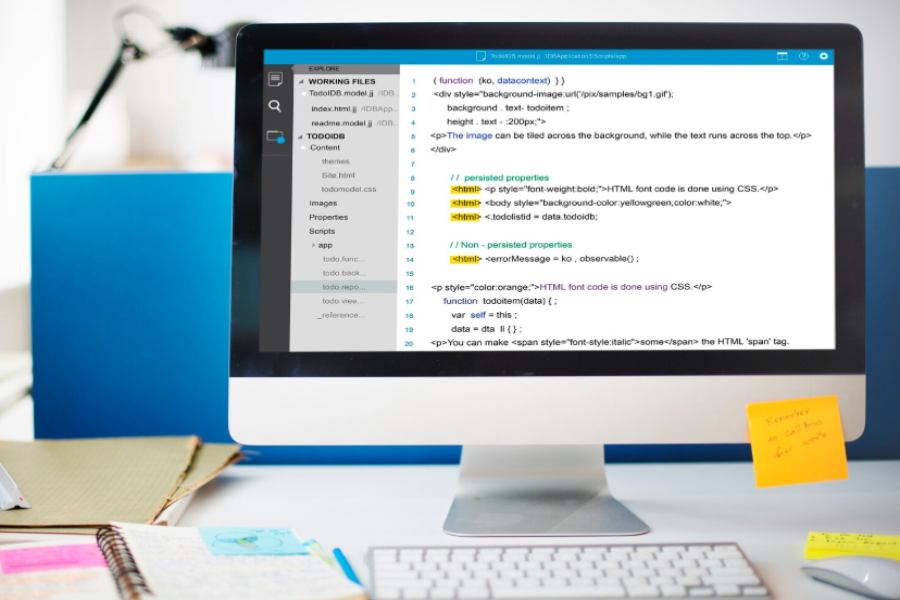
In today’s fast-paced digital ecosystem, content creation involves much more than simply drafting engaging copy. From initial outline to CMS publication, content passes through multiple stages, software platforms, and web editors. Along the way, hidden code, erratic styling, and unnecessary markup often hitch a ride.
Whether you are a web developer, digital marketer, copywriter, or site manager, understanding the importance of text hygiene and seamless content workflows is essential. Combining clean, unformatted text preparation with a well-planned digital strategy ensures that your website delivers peak performance, excellent user experience, and strong search engine visibility.
The Hidden Cost of Messy Text Formatting
When content is copied from word processors, emails, or collaborative documents, it rarely transfers cleanly into web Content Management Systems (CMS) like WordPress, Shopify, or Webflow. Instead, invisible inline CSS, proprietary fonts, span tags, and unwanted line breaks get pasted along with the words.
This hidden code bloat introduces several critical challenges for website owners:
- Page Speed Degradation: Unnecessary HTML tags increase overall DOM size and document length. While a single copied paragraph won’t crash a server, thousands of bloated content pages incrementally slow down load times.
- Visual Inconsistencies: Custom styling embedded within copied text overrides global site CSS, leading to erratic font sizes, unexpected background highlights, and broken mobile layouts.
- Accessibility Barriers: Screen readers struggle with broken tags, improper spacing, and cluttered inline markup, creating a frustrating experience for visually impaired users.
- Search Engine Crawl Friction: Search engine bots prefer clean, semantically structured HTML. Excessive layout clutter makes it harder for crawlers to extract key topics and context accurately.
Why Converting to Plain Text is the Ideal First Step
To eliminate formatting bugs before they reach your CMS, stripping away unwanted code is the most efficient solution. Using a dedicated online plain text converter allows writers and webmasters to reset text back to its raw form with zero effort.
By passing draft content through a text cleanup utility before publishing, content teams gain several advantages:
- Total Formatting Control: Starting with clean, unformatted text ensures that your web editor applies your brand’s predefined headings, global styling, and design system without conflict.
- Faster Workflow Execution: Instead of manually deleting inline styles, removing strange double-spaces, or untangling rogue HTML tags, you can sanitize entire articles in a single click.
- Cross-Platform Portability: Plain text acts as a universal bridge across code editors, markdown tools, social platforms, and database management systems.
Once your text is clean, structured, and formatted with proper semantic HTML tags (such as <h1>, <h2>, and <p>), your content is ready for strategic web optimization.
Connecting Content Hygiene with Off-Page Growth Strategies
Creating clean, high-performing content on your website establishes a solid technical foundation. However, on-page optimization alone isn’t enough to secure competitive organic search rankings. Once your technical publishing workflow is streamlined, the next phase of digital growth centers on building domain authority.
Search engines evaluate authority based largely on backlink profiles—how many reputable websites reference your content. High-quality content that loads quickly and reads clearly naturally attracts interest, but proactive outreach remains necessary to reach broader audiences.
Integrating professional link building services into your marketing strategy helps bridge the gap between published content and search visibility. By acquiring contextual backlinks from authoritative domains in your niche, you signal to search engines that your clean, valuable content is a trustworthy resource worth ranking higher.
When clean content formatting works in tandem with authority-building efforts, site owners experience a compounding growth effect. Visitors enjoy fast, readable pages, while search engines recognize both the technical quality and external validation of the site.
Best Practices for a Seamless Web Content Workflow
To maintain a fast, scalable publishing pipeline, consider incorporating the following best practices into your routine:
1. Always Sanitize Copy Before Uploading
Never paste raw text straight from external documents into rich text editors. Run drafts through a plain text converter or use plain text editors to strip away extraneous fonts, colors, and line breaks.
2. Maintain a Semantic Hierarchy
Rebuild your document structure using standard Markdown or native CMS heading tags (H2, H3, H4). Avoid using bold text or font size tweaks to simulate headings, as search crawlers depend on HTML headers to grasp topic hierarchy.
3. Audit Links and Anchor Texts
Keep your internal and external links clean. Use descriptive anchor text that clearly explains where the link leads, and verify that destination URLs do not contain trailing redirects or parameter tracking bugs.
4. Optimize Media Alongside Text
Unformatted text keeps page weight light, but uncompressed images can undo those gains. Pair clean text with compressed Next-Gen image formats (like WebP) and proper alt attributes to maximize page responsiveness.
Final Thoughts: The Dual Engine of Modern Digital Success
Achieving long-term growth on the web requires balancing technical precision with strategic promotion. Cleaning and preparing your draft content with dedicated plain text tools eliminates invisible code bloat, improves user experience, and keeps your web pages lightweight and mobile-friendly.
At the same time, pairing on-page excellence with strategic off-page promotion ensures your content earns the visibility it deserves. By making text conversion a standard step in your publishing routine and supporting your content with targeted outreach, you position your web platform for sustainable, long-term success.