


Math is a subject where a student might get stuck in the middle of solving a problem. This situation becomes very frustrating when you don’t know the next step, and you have to wait for the next class or call one of your seniors for help. To get rid of these types of difficulties, we have researched and compiled the top 5 tools that students can use to improve their math skills in 2026.
Keep reading this article till the end and understand which tool would be best for you based on your preferences. Let’s get started!
Why Does Math Still Feel So Hard?
Math gets harder not because the numbers get scarier, but because every new topic involves complex steps to solve the problem. If you miss one small step in algebra, then geometry starts feeling confusing too, even though it’s a totally different topic. A regular calculator never fixed this, because it only gives you an answer. What actually helps is seeing the steps in between and understanding why each one happens. That’s really what changed with AI tools over the last couple of years. They stopped just giving answers and started explaining them.
Top 5 AI Tools Students Actually Use in 2026
1. AI Math Solver
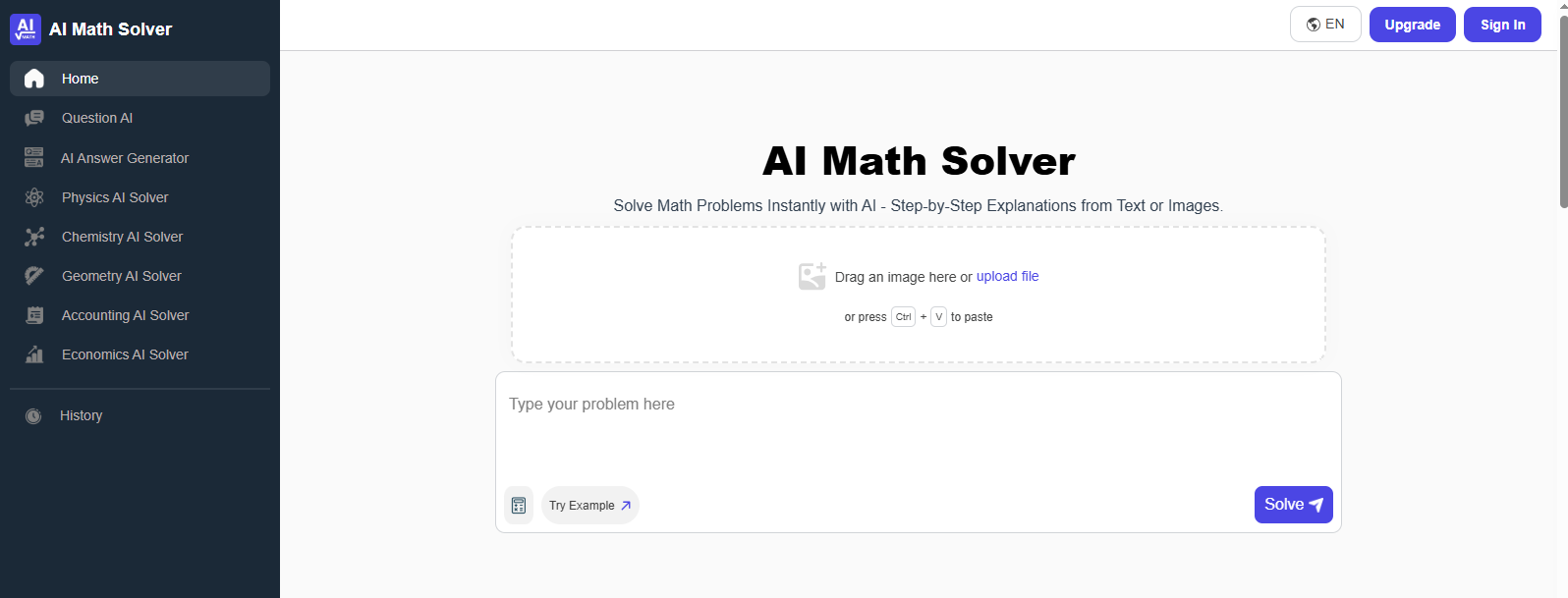
This platform takes the top spot because it solves the main problem that every student mostly worries about. This AI math solver turns a difficult problem into simple and easy-to-follow steps. You just need to take a photo of the question you want to get the solution for and upload that to the input area. It will quickly process the input and break it down into easy steps that anyone can follow. Another plus point of this math AI solver is that you can also get AI math solutions for your handwritten notes. It handles algebra, geometry, calculus, and word problems, so it covers most of what shows up in homework from middle school all the way through college. The answer isn’t even the best part. Watching how the problem gets broken down is what actually helps you solve the next similar one on your own.
2. Symbolab

Symbolab works pretty much the same way, point your camera and get a solution, but it’s better suited for younger students and everyday homework. It reads handwritten worksheets and keeps its explanations short instead of overloading you with detail. A lot of parents use it too, especially when their kid asks about a topic they haven’t touched since school themselves. It’s not really built for harder, advanced math, but for daily assignments, this tool does a great job.
3. Wolfram Alpha
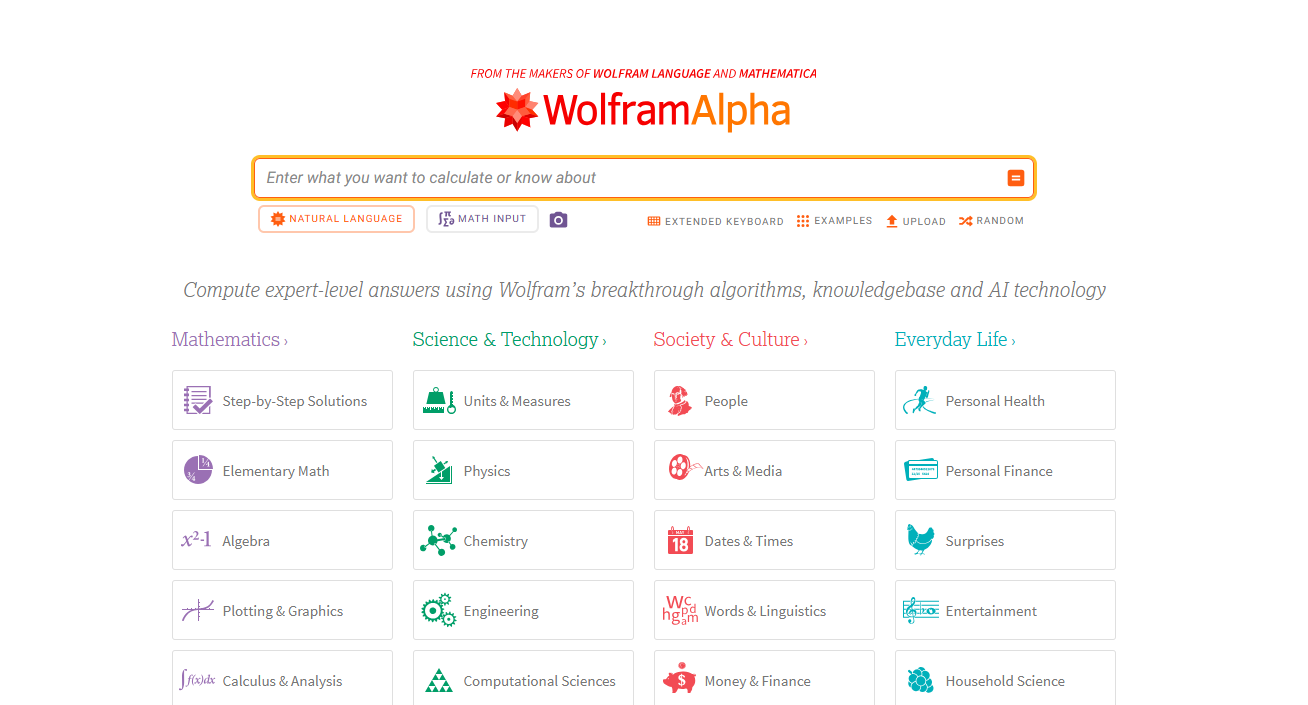
Wolfram Alpha is the one to use for harder stuff like calculus, statistics, or anything that needs an exact number as an answer. It doesn’t explain things the way a tutor would, and honestly, the interface takes a little time to understand when you first try it. But once you figure out how to type your question the right way, the answers are hard to beat for accuracy. College students and anyone in advanced high school classes tend to get the most out of it.
4. Khanmigo
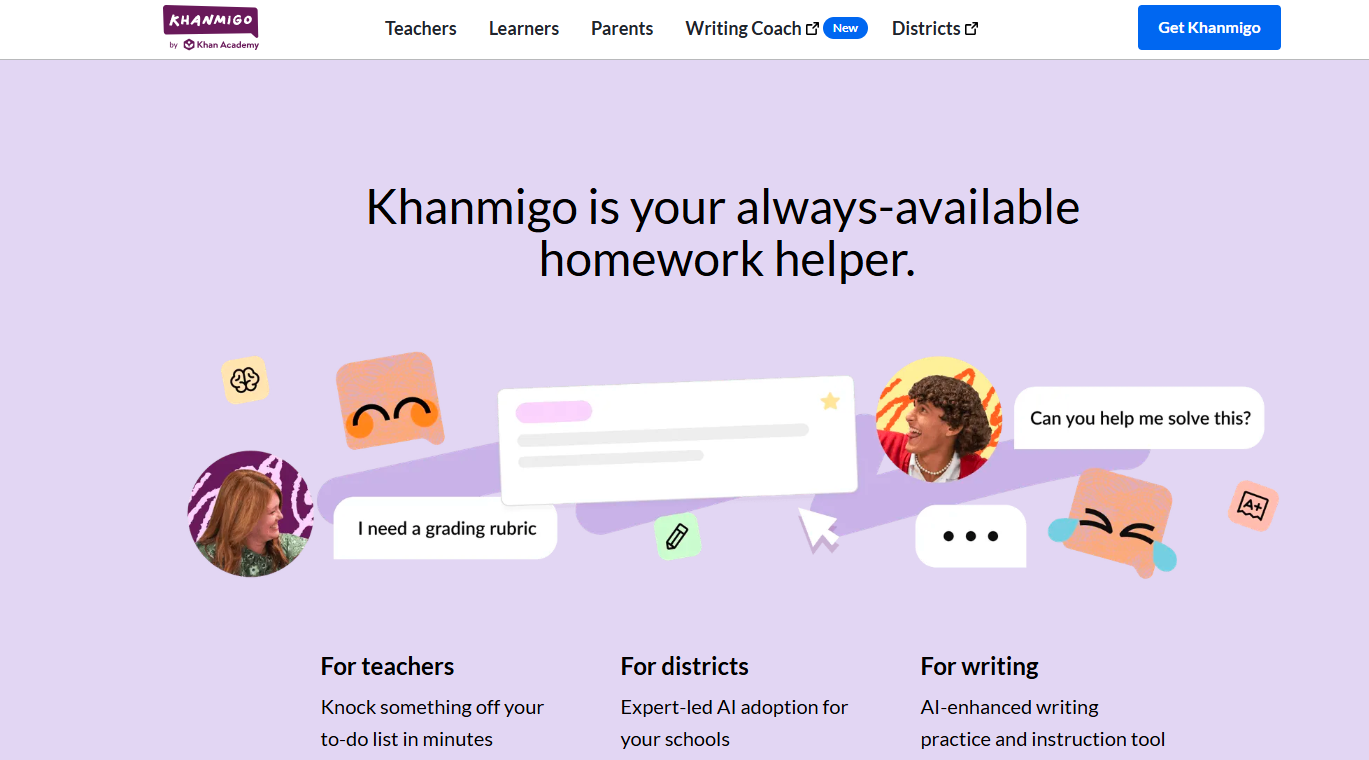
Khanmigo does things a little differently. Instead of just handing you the answer, it asks you questions back and walks you toward the answer yourself. This matters a lot for students who lean on AI tools too much and stop thinking things through on their own. Khanmigo slows that down on purpose. It works well for younger students, and it sticks close to a normal school curriculum, so it feels more like a tutor sitting next to you than a shortcut.
5. GeoGebra
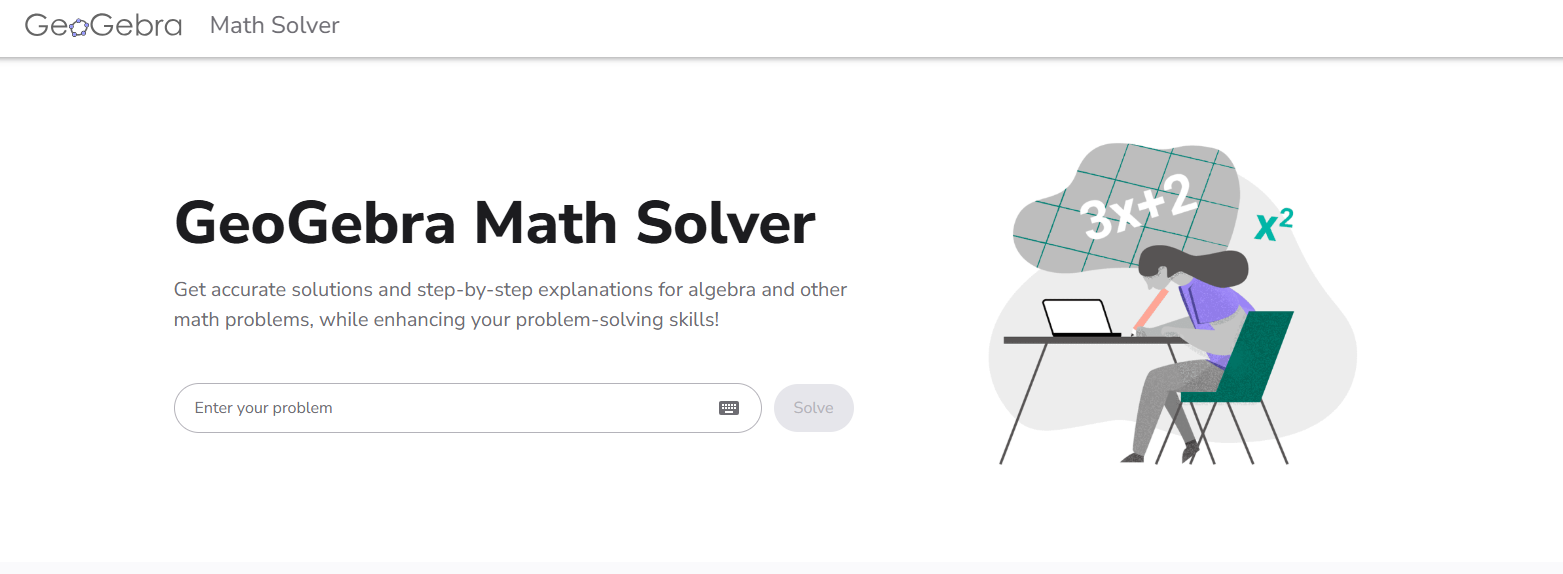
Some math is just hard to picture in your head. Graphs, shapes, and functions make a lot more sense once you can actually see them move. GeoGebra turns equations into visuals and lets you drag a graph around to watch how it changes in real time. Geometry and pre-calculus students get the most out of this, especially if you understand pictures faster than formulas on a page.
How to Use These Tools Without Losing Your Math Skills?
Try It Yourself First
It’s easy to let an AI tool do all the thinking for you. That habit tends to backfire during exams, when there’s no tool around to help. A better way to do it is to try the problem yourself first, even if you get it wrong, and only check the tool after. Compare your steps to its steps, and find the exact spot where your thinking went off track. That one habit teaches you more than solving the math problem yourself instead of just taking the ready-made answers.
Ask “Why,” Not Just “What”
Another good habit is asking the tool why, not just reading through the steps. Most AI math tools will actually answer follow-up questions, so instead of just accepting a step, ask why it works that way. That small change turns a quick answer into something you actually learn from.
How Do You Pick the Right Tool?
Match the Tool to What You Actually Need
You don’t need all five of these. Just pick based on what’s going on:
- Stuck on a random homework problem and need steps fast: AI Math Solver or Photomath
- Working on calculus or anything that needs an exact answer: Wolfram Alpha
- Want to actually understand a topic, not just finish the assignment: Khanmigo
- Struggling to picture a graph or shape: GeoGebra
It’s Fine to Use More Than One
Most students end up using two or three of these together, and that’s totally fine. You don’t need one perfect solver. You just need to know which type of problems you are dealing with, and use it in a way that actually helps you learn instead of doing the thinking for you.
The Bottom Line
Math in 2026 still takes real thinking and practice. AI tools help you when you get stuck while solving complex math problems and give a proper explanation of how to solve them step by step. But if you simply let AI do all your thinking, you won’t be learning the maths yourself. Therefore, do not use the AI tool as a shortcut! With the right use of an AI solver, you can be capable of solving complex and confusing problems on your own.